Personalised treatment plans designed to relieve pain and restore movement.
TREATMENTS
Personalised treatment plans designed to relieve pain and restore movement.
Our Treatment Techniques
Myofascial Release
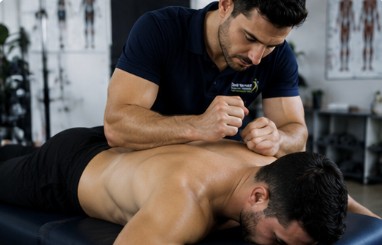
Myofascial release is a hands-on manual therapy technique focused on
Read More
relieving pain and tension within myofascial tissues to restore movement, improve circulation, and reduce chronic musculoskeletal pain. It incorporates specialised techniques like IASTM for targeted deep tissue work, and the Lyno Method to release full-body fascial tension.
Sports Massage
Targeted massage to reduce muscle tension, aid recovery, and enhance performance.
Electrotherapy
(Ultrasound / Interferential /
TENS)
Electrical or sound waves used to relieve pain and stimulate healing.
Kinesio Taping
Elastic tape applied to support muscles and joints while allowing free movement.
Strapping
Firm tape or bandage used to stabilise injured areas during activity.
Muscle Strengthening & Stretching
Exercises designed to build strength and flexibility for injury prevention.
Core Stability Training
Focused exercises to strengthen abdominal and back muscles for better posture and balance.
Proprioception Training
Activities that improve body awareness, coordination, and joint stability
Our Treatments
Myofascial Release Techniques
Myofascial release is a hands-on treatment technique that focuses on reducing tension and restrictions within the muscles and fascia, the connective tissue that surrounds and supports the body. Using targeted pressure, stretching and controlled movement, our therapists work on areas of tightness or restricted mobility to help restore more natural movement and function. It can be particularly useful for people experiencing muscular tension, stiffness, reduced flexibility or discomfort associated with sports, exercise, posture or everyday activities.
Benefits may include:
Improved flexibility and range of movement
Reduced muscle tension and stiffness
Improved mobility
Relief from muscular discomfort
Support for recovery following physical activity
Improved movement patterns and function
Greater ease and comfort during exercise and everyday activities
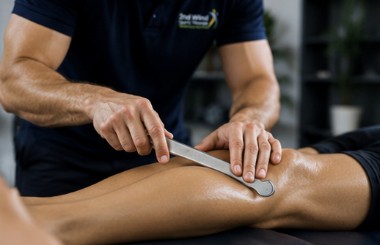
IASTM Is a manual therapy approach to musculoskeletal injuries using specifically designed tools. It assists in effective treatment of adhesions and scarring brought on by surgeries, injuries, and overuse of muscles.
Conditions for which IASTM is usually used:
Medial Epicondylitis, Lateral Epicondylitis
Carpal Tunnel Syndrome
Neck Pain
Plantar Fascitis
Rotator Cuff Tendonitis
Patellar Tendonitis
Tibialis Posterior Tendonitis
Heel Pain /Achilles Tendonitis
DeQuervain’s Syndrome
Post-Surgical and Traumatic Scars
Myofascial Pain and Restrictions
Musculoskeletal Imbalances
Chronic Joint Swelling Associated with Sprains/Strains
The Lyno Method is a gentle, holistic approach that identifies and releases fascial restrictions linked to unresolved physical and emotional trauma. It supports the parasympathetic nervous system and helps restore healthy neural pathways for improved movement, function, and overall wellbeing.
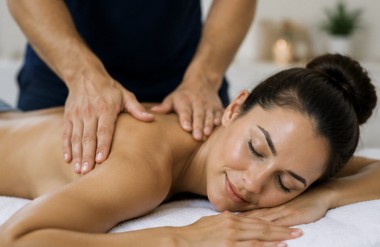
Swedish massage therapy is the most common modality that comes to mind when most people think about massage.
It is the manipulation of superficial and deeper layers of muscle and connective tissue using various techniques.
The techniques are:
1. Effleurage – making long and gliding strokes along the body. Used mainly to warm up the muscles and stimulate blood flow. This is the most common movement used in many massages.
2. Petrissage – this technique looks like you are kneading dough. It works on your muscle tension. The kneading and squeezing motion of this technique smooths out any sort of lumps or impure substances from the muscle so it will be efficient once more.
3. Tapotement – This is the gentle pounding of the body, like the motion of drumming, chopping or cupping.
4. Vibration – This is the rhythmic and rapid shaking of the body.
5. Friction – This is worked on your muscle fibers and is done using circular or perpendicular motions.
One of the primary goals of the Swedish massage technique is to relax the entire body.
Sports Massage
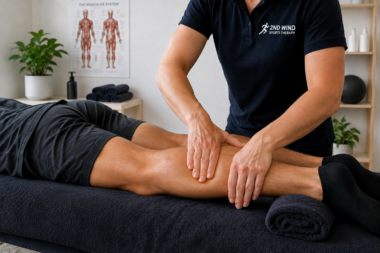
Sports massage is ‘the manipulation of soft tissue to release tension, reduce pain, restore range of movement and promote good condition’.
A Sports massage is ideal to treat injuries and as well as a preventative treatment dealing with the health of a muscle and connective tissue, range of movement, tone and quality of posture.
Deep Tissue Massage
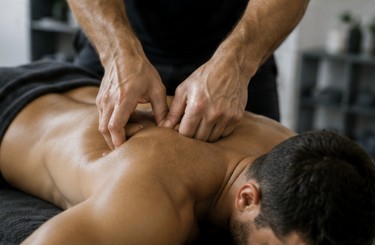
Deep tissue massage therapy is similar to Swedish massage, however the focus is on the deepest layers of muscle tissue, tendons and fascia (the protective layer surrounding muscles, bones and joints).
By using deep finger pressure and slow, firm strokes, deep tissue massage is used to treat a variety of physical ailments. it can be very effective and affordable for relieving chronic pain than conventional medical remedies. Because deep-tissue massage increases the flow of blood through the body, it helps reduce the inflammation that causes pain. Deep-tissue massage can also help alleviate muscle tension that is often a side effect of chronic pain by loosening the tight tissue clusters.
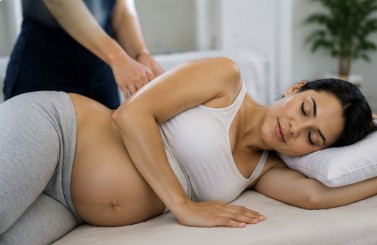
Pregnancy Massage
Pregnancy massage shares many of the goals of regular massage – to improve circulation and mobility, ease sore spots, relax tense muscles and just make you feel good. Pregnancy massage is also tailored specifically to the needs of pregnant women and their changing bodies with techniques adjusted accordingly. Massage is recommended at all stages of pregnancy, prenatal and postnatal. Massage during pregnancy can help the expectant mother to deal with many of the stresses associated with pregnancy, both physical and emotional. This in turn leads to a happier pregnancy, and a healthier baby.